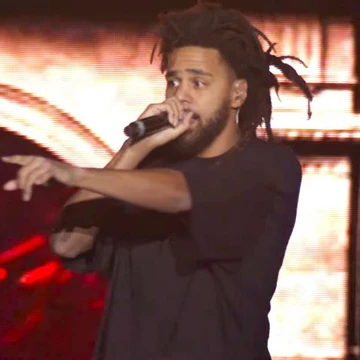
KOD Season 5
Five rounds, one crown, and a city that never stops writing its own verses.

KOD Season 5 is the fifth installment of King of the Dot, the hip-hop battle competition series created, hosted, and judged by J. Cole. Filmed in his hometown of Atlanta, Georgia, the show pits emerging and established rappers against one another in head-to-head battles judged on lyricism, delivery, and stage presence. Season 5 continued the series' mission of giving a platform to raw, unfiltered rap talent outside the polished world of commercial music. As a fan-made encyclopedia entry, this page celebrates what the KOD community loves: the electric energy of a live cypher crowd, the vulnerability of a rapper going for their life on a stage in front of their peers, and J. Cole's role as both gatekeeper and mentor to a new generation of lyricists.
- Creator & Host
- J. Cole
- Genre
- Hip-hop battle competition
- Filmed in
- Atlanta, Georgia
- Platform
- YouTube
- Format
- Head-to-head rap battles with panel judging
- Season Number
- 5
Lore & Background
King of the Dot was born from J. Cole's desire to create a space where rap battles could exist outside the underground cypher scene and reach a massive audience without sacrificing authenticity. The name itself is a double meaning: 'KOD' as the chemical symbol for gold, and 'King of the Dot' referencing the dot in the middle of the letter 'O' in Atlanta's skyline, a nod to the city that shaped Cole's artistry. Each season, a panel of respected rappers and industry figures sits alongside Cole to judge competitors on technical skill, creativity, and the intangible spark that separates a good verse from a great one. Season 5 arrived in a moment when hip-hop culture was hungry for more raw competition after a stretch of polished, studio-driven releases. The Atlanta energy in the room—crowd members leaning forward, judges leaning back, Cole nodding slowly before delivering a verdict—created a tension that fans described as almost theatrical. What makes KOD distinct in the broader hip-hop landscape is its commitment to the craft over the spectacle. There are no dancers, no pyrotechnics, no pre-produced hooks. A rapper walks to the center of the stage, the beat drops, and for two or three minutes, everything else disappears. Season 5 carried that tradition forward, reinforcing the idea that the most powerful thing in hip-hop is still a human voice, unaccompanied by anything but rhythm, saying exactly what it means to say.
In Their Own Story
The lights in the Atlanta studio drop to a warm amber. The crowd is a wall of phones and open mouths, the kind of silence that only exists right before a rapper steps into the mic. You can hear the faint hum of the PA system, the shuffle of sneakers on concrete. J. Cole sits at the judges' table, arms crossed, jaw working a slow chew on a pen cap that isn't there. The MC calls the names. Two rappers walk out from opposite wings, and the air pressure in the room shifts like a tire letting go of a slow leak. The beat hits—something sparse, a kick drum and a hat pattern, maybe a single piano note looping—and the first rapper steps forward. For ninety seconds, the only sound is breath and syllables colliding. The crowd doesn't cheer until the last bar lands. Then it's a detonation. Cole uncrosses his arms. He nods once. That's all. But everyone in the room knows that single nod is worth more than a platinum plaque.
Reader's Guide
Chapter Five: The Gold Standard Holds. Season 5 of KOD arrived with the weight of four predecessors behind it, and the Atlanta crowd felt it in the way they clapped—louder, more expectant, like they were testing whether the stage still had teeth. The format remained true to the series' DNA: rappers drawn into head-to-head matchups, given a beat, given a clock, and given nothing else to hide behind. The energy in the room was different this time. There was a sense of lineage, of rappers who had grown up watching earlier seasons on their phones in college dorms now stepping into the same lights. The setlists—well, there are no setlists, that's the beauty—shifted from technical wordplay to emotional gut-punches, from braggadocio to confession. You'd hear a rapper go from a rapid-fire double-time section into a slow, a cappella bridge that made the judges actually stop talking and just listen. Crowd moments defined the season. The standing ovations weren't polite; they were physical, people grabbing each other's arms, the kind of reaction you see at a boxing match when an underdog lands the round. And Cole, always Cole, would lean into the mic between rounds and deliver a two-line observation that reframed the entire battle, turning a technical showcase into a story about who these kids were trying to become. Culturally, Season 5 mattered because it reminded a generation raised on streaming playlists that hip-hop still has a front row. You don't need a stadium. You need a beat, a mic, and the nerve to say the truest thing you know while two hundred people hold their breath.
Did You Know?
- The name 'KOD' is a deliberate double meaning: the chemical symbol for gold and a reference to Atlanta, J. Cole's home city and the show's filming location.
- KOD is produced as a free-to-watch YouTube series, making it one of the most accessible high-level hip-hop competitions available to a global audience without a cable subscription.
- J. Cole serves not just as host but as an active judge, offering verbal feedback to competitors that often becomes a masterclass in lyricism and delivery for viewers at home.
- The show's battles are performed live in front of an audience, meaning there are no retakes or studio edits to the competitive rounds—what you hear is what was said in that moment.
More in Tours & Timeline
Elsewhere in the J Cole universe
Spotted an error? Know more?
This is a living reference — every entry is fact-audited, and reader corrections feed straight into our audit queue. Suggest an edit · See this site's audit record