
New York City
Where the brown-bulleted J and Z trains run 24/7 between Queens and Lower Manhattan, with skip-stop patterns dating to 1988.

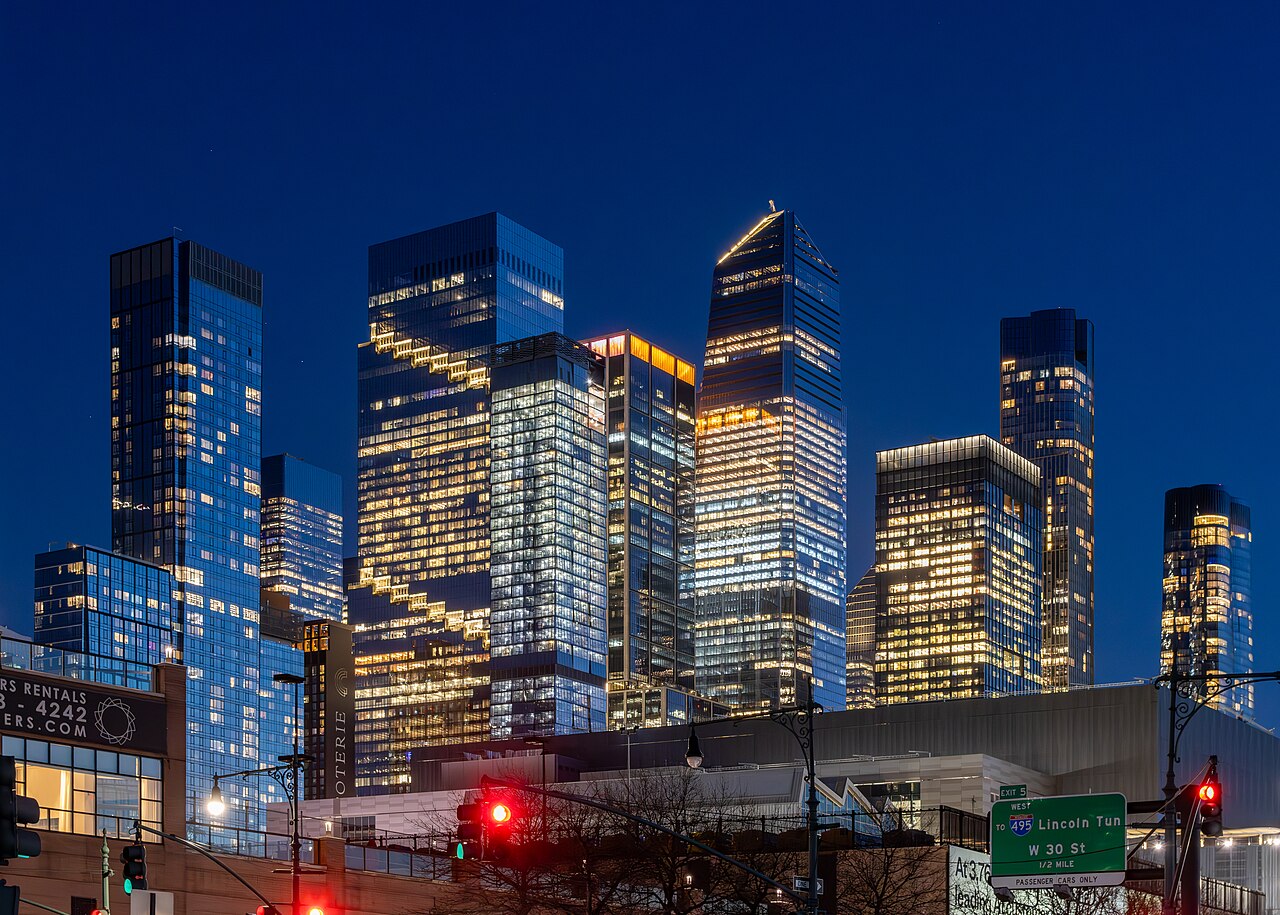
Photograph by Mike Peel ( www.mikepeel.net ). · CC BY-SA 4.0
New York City is where the J Nassau Street Local and Z Nassau Street Express rapid transit services operate in the B Division of the New York City Subway. Their route emblems are colored brown. The services use the BMT Nassau Street Line in Lower Manhattan. The J operates 24 hours daily, while the Z operates only in the peak direction during rush hours. Both services operate between Jamaica Center–Parsons/Archer in Jamaica, Queens, and Broad Street in Lower Manhattan.
- Region
- Northeast United States
- Key Borough
- Queens
- Status
- Former Primary Residence
Verified Timeline
Lore & Background
The J/Z's current skip-stop pattern was implemented in 1988. The J/Z is derived from four routes: the JJ/15 between Broad or Chambers Streets in Lower Manhattan and 168th Street in Queens; the KK between 57th Street/Sixth Avenue in Midtown Manhattan and 168th Street in Queens; the QJ between Brighton Beach in Brooklyn and 168th Street in Queens; and the 14 between Broad or Chambers Streets in Lower Manhattan and Canarsie–Rockaway Parkway in Brooklyn. The Jamaica Line was originally known as the Broadway Elevated, completed in 1893 from Cypress Hills west to Broadway Ferry in Williamsburg. The second major service on the Broadway Elevated ran between Canarsie and Williamsburg via the BMT Canarsie Line, started on July 30, 1906. As part of the Dual Contracts, an extension from Cypress Hills east to Jamaica was completed on July 3, 1918, and express trains began running in 1922.
In Their Own Story
On June 18, 1959, Manhattan-bound rush hour skip-stop service between Jamaica and East New York was implemented, with trains leaving 168th Street on weekdays between 7 a.m. and 8:30 a.m. Express 15 trains served 'A' stations, while the morning 14 became the Jamaica Local. When the Chrystie Street Connection opened on November 26, 1967, the rush-hour express J was combined with the weekday QT Brighton Local to form the weekday QJ, running between Jamaica and Brighton Beach. On January 2, 1973, the QJ was cut back to Broad Street and redesignated the J. The K was discontinued entirely on August 30, 1976. On May 2, 1977, J trains began running in skip-stop service between Eastern Parkway and Myrtle Avenue. The J was truncated to Queens Boulevard just after midnight on September 11, 1977, and to 121st Street on April 15, 1985, as portions of the elevated Jamaica Line closed and were demolished.
Reader's Guide
The J operates 24 hours daily, while the Z operates only in the peak direction during rush hours. When the Z operates, the two services form a skip-stop pair between Sutphin Boulevard–JFK and Myrtle Avenue/Broadway and also make express stops between Myrtle and Marcy Avenues in Brooklyn. Midday J service also makes express stops between Myrtle and Marcy Avenues and all stops along the full route other times. The services use the BMT Nassau Street Line in Lower Manhattan. Both services operate between Jamaica Center–Parsons/Archer in Jamaica, Queens, and Broad Street in Lower Manhattan. The J/Z's current skip-stop pattern was implemented in 1988. The J/Z is derived from four routes: the JJ/15, the KK, the QJ, and the 14. The Jamaica Line was originally known as the Broadway Elevated, completed in 1893 from Cypress Hills west to Broadway Ferry in Williamsburg.
Did You Know?
- The J operates 24 hours daily, while the Z operates only in the peak direction during rush hours.
- The J/Z's current skip-stop pattern was implemented in 1988.
- The Jamaica Line was originally known as the Broadway Elevated, completed in 1893 from Cypress Hills west to Broadway Ferry in Williamsburg.
- On January 2, 1973, the QJ was cut back to Broad Street and redesignated the J.
- The J was truncated to Queens Boulevard just after midnight on September 11, 1977, and to 121st Street on April 15, 1985.
Gallery

Frequently Asked Questions
What role did New York City play in J. Cole's early career?
New York served as the intense pressure cooker where Cole transformed his raw ambition from Fayetteville into professional artistry during his mixtape era. It was here that the subway rhythms and street sirens of Queens became the sonic backdrop for his first major artistic breakthroughs.
Which specific borough and university are most associated with J. Cole's time in New York?
Cole lived primarily in the borough of Queens while attending St. John's University, where he balanced academic discipline with late-night dorm sessions to craft his early music. This environment forced him to merge intellectual rigor with the desperate hunger of street survival.
How did living in New York City influence J. Cole's songwriting style?
The unforgiving rhythm of the streets and the constant noise of the city forged a relentless work ethic that defined his early bars and lyrical depth. This period replaced the quiet tobacco fields of his childhood with an ink-stained urgency to prove himself before time ran out.
What is the connection between New York City and J. Cole's relationship with Roc Nation?
New York acted as the origin point where Cole's developing sound caught the attention of industry leaders, eventually leading to his signing with Roc Nation. The city was the stage where he transitioned from an underground mixtape artist to a major label prospect.
Is New York City still J. Cole's primary residence today?
No, New York City is now considered a former primary residence that Cole left behind as his career expanded beyond its initial incubation phase. While the city remains a foundational chapter in his story, he has since moved on to other locations while carrying the lessons learned there.
More in World & Setting
Elsewhere in the J Cole universe
Spotted an error? Know more?
This is a living reference — every entry is fact-audited, and reader corrections feed straight into our audit queue. Suggest an edit · See this site's audit record