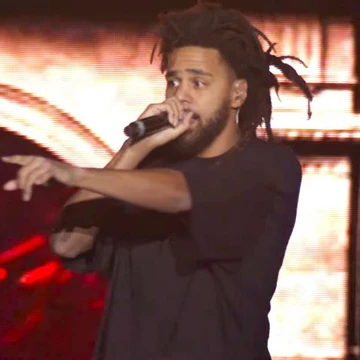
Wicked Man
The shadow self wrestling with fame, guilt, and the cost of ambition.

In J. Cole's discography, the 'Wicked Man' is a recurring thematic motif—a psychological and lyrical concept rather than a named character. This internal antagonist embodies the conflict between ambition, morality, and the consequences of fame. It represents the part of Cole that wrestles with guilt, the weight of public life, and the unintended fallout from his choices. Fans project their own fears onto this figure, seeing a mirror of the part of themselves that craves validation at a ruinous price or dreads failure so badly it chokes out joy.
- Role
- Narrative Archetype / Internal Antagonist
- Affiliation
- J Cole Discography & Dreamville Universe
- Status
- Recurring Thematic Motif
- Nature
- Psychological & Lyrical Concept
Lore & Background
The 'Wicked Man' persona sharpens into focus during album cycles steeped in addiction and mental health struggles, where it is caught between the roar of external expectations and the whisper of internal desires. Fans don't just observe this figure—they project their own fears onto it, seeing a mirror of the part of themselves that craves validation at a ruinous price, or dreads failure so badly it chokes out joy. The lore whispers that redemption only flickers to life when you stop hiding your flaws and face them, raw and unvarnished.
In Their Own Story
The lights dimmed on the stage, but the spotlight felt heavier than usual. He stood in the wings, watching the crowd chant his name, yet they didn't know the man behind the mic. In the silence of the dressing room, the reflection looked back with tired eyes. The Wicked Man whispered from the shadows of the mind, reminding him that every step up required someone else to stay down. He grabbed the script, not to read it, but to tear out the lines he no longer believed.
Reader's Guide
To really understand the 'Wicked Man,' you have to dig past the singles and sink into the narrative bones of his albums. This persona shows up clearest when Cole stares down guilt and consequence—when he's not the hero of his own story, but the guy who wonders if he's the villain. It's the foil to his aspirational self, a tightrope walk between success and morality. Fans zero in on verses where he questions his own impact on his community or family—those raw, uncomfortable moments where the mic becomes a confessional. That tension defines the archetype: wanting to do good while trapped inside a broken system. At its core, this lore is about accountability. It insists that real growth doesn't come from polishing your image, but from staring down the 'wicked' parts of yourself—and refusing to look away.
Did You Know?
- The 'Wicked Man' is not a named character but a recurring thematic motif in J. Cole's discography.
- Fans project their own fears onto this figure, seeing a mirror of their own craving for validation or fear of failure.
- The lore suggests redemption comes from facing flaws raw and unvarnished, not from polishing one's image.
More in Eras & Legacy
Elsewhere in the J Cole universe
Spotted an error? Know more?
This is a living reference — every entry is fact-audited, and reader corrections feed straight into our audit queue. Suggest an edit · See this site's audit record