KOD Season 3
Three more rounds, one crown, and the city that built the king.

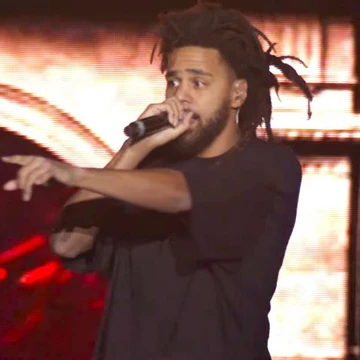
KOD Season 3 is the third installment of King of the Dot, the rap-battle competition series created, hosted, and produced by J. Cole under his Dreamville Records banner. Filmed in Fayetteville, Arkansas—Cole's hometown and the spiritual home of the show—Season 3 continues the tradition of putting raw, unfiltered local talent head-to-head in a multi-round gauntlet where only one rapper walks away crowned. The season sits within a broader cultural moment for Fayetteville's hip-hop scene, which Cole has spent years nurturing through Dreamville's community programs and the KOD stage. By the third season, the format had become a recognized fixture in the independent hip-hop landscape, drawing both local crowds and a national audience hungry for battle rap stripped of studio polish.
- Creator / Host
- J. Cole
- Production Company
- Dreamville Records
- Filming Location
- Fayetteville, Arkansas
- Format
- Multi-round rap battle competition
- Season Number
- 3
- Community Focus
- Fayetteville-area rappers
Lore & Background
In the world of KOD, Fayetteville is not merely a backdrop—it is the antagonist, the audience, and the judge. The show's identity is rooted in the idea that the best rap doesn't always come from the coasts; it comes from the back rooms of Arkansas bars, the parking lots of community centers, and the kitchen tables where a teenager first learned to rhyme over a beat. Season 3 carries that ethos forward with the confidence of a series that has already proven its premise twice. The competition structure—multiple rounds of head-to-head battles, each judged by Cole and a rotating panel—creates a narrative arc that mirrors a tournament bracket. Rappers enter with nothing but their bars and their nerve, and the pressure of a live crowd in a mid-size Arkansas venue amplifies every miss and every heat. The culture surrounding the show is as important as the battles themselves: the pre-show hype, the community members who travel from neighboring towns, the way a single well-delivered verse can turn a quiet night into a standing ovation. For Dreamville, KOD is both a showcase and a pipeline. It reinforces the label's commitment to the community that raised Cole, and it gives aspiring rappers a stage that major networks would never offer them. Season 3, arriving with the series' format already refined, leans into that duality—celebrating the spectacle of the battle while honoring the quiet work of a city building its own hip-hop identity one verse at a time.
In Their Own Story
The stage lights in Fayetteville hum to life, and the crowd—painted in the amber glow of the venue's single overhead rig—settles into a low, electric murmur. Two rappers step from opposite wings, mic in hand, and the MC calls the round. The first bars hit like a fist through a screen door: raw, unpolished, local. The second rapper answers, and the room tilts. Someone in the front row drops a beer. The crowd's chant swells, a wall of sound that vibrates in the chest. J. Cole, seated at the judges' table, leans forward, chin in his hand, watching not the performer but the crowd's reaction—the real score. When the last bar lands and the silence breaks into a roar, he doesn't smile. He just nods, once, and writes a single word on his notepad. The round is over. The next one is already forming in the air.
Reader's Guide
Season 3 walked in with the confidence of a series that had already survived the novelty phase. The Fayetteville crowd was no longer curious; they were invested. They knew the format, they knew the stakes, and they showed up in numbers that filled the venue to the back wall, phones out, ready to record every bar. The energy in the room during the early rounds was different from Season 1. There was less spectacle, more substance. Rappers who had watched the previous seasons came in sharper, more prepared, trading punches with a surgical precision that made the judges' deliberations longer and more contentious. The crowd, sensing the tension, got louder, more vocal, calling out their favorites in the way a football crowd calls out a quarterback. The mid-season battles became the cultural touchstones. A single well-constructed verse, delivered with the flat, unbothered cadence that Fayetteville rappers are known for, could silence a room of two hundred people. The crowd's reaction—initial shock, then a slow, building roar—became the season's signature moment, the beat that editors would cut to in every recap. By the final round, the competition had become personal. The two remaining rappers knew each other, had traded bars in the community before the cameras rolled. The final battle wasn't just a performance; it was a settlement. And when the crown was handed over, the crowd didn't cheer. They exhaled. It felt like the city had been holding its breath for an entire season, and finally, it could let go.
Did You Know?
- KOD is filmed in Fayetteville, Arkansas, J. Cole's hometown, and the show is deeply tied to the local hip-hop community there.
- The series is produced under Dreamville Records, Cole's label, making it one of the few major rap competitions tied directly to an artist's own imprint.
- J. Cole serves as both the on-screen host and a judge, giving the show a personal, almost familial tone that distinguishes it from corporate-produced battle formats.
- The show's format emphasizes local, community-based talent rather than national celebrity, reinforcing Fayetteville's identity as a hip-hop hub in the American South.
More in Tours & Timeline
Elsewhere in the J Cole universe
Spotted an error? Know more?
This is a living reference — every entry is fact-audited, and reader corrections feed straight into our audit queue. Suggest an edit · See this site's audit record